The second part of my highly personal and apologetically biased round-up of last year's games. Pleasingly, #6-#4 were all on my "most anticipated" list at the beginning of 2018, which just goes to show that sometimes dreams really do come true, I guess...?
 |
| 6. Call of Cthulhu |
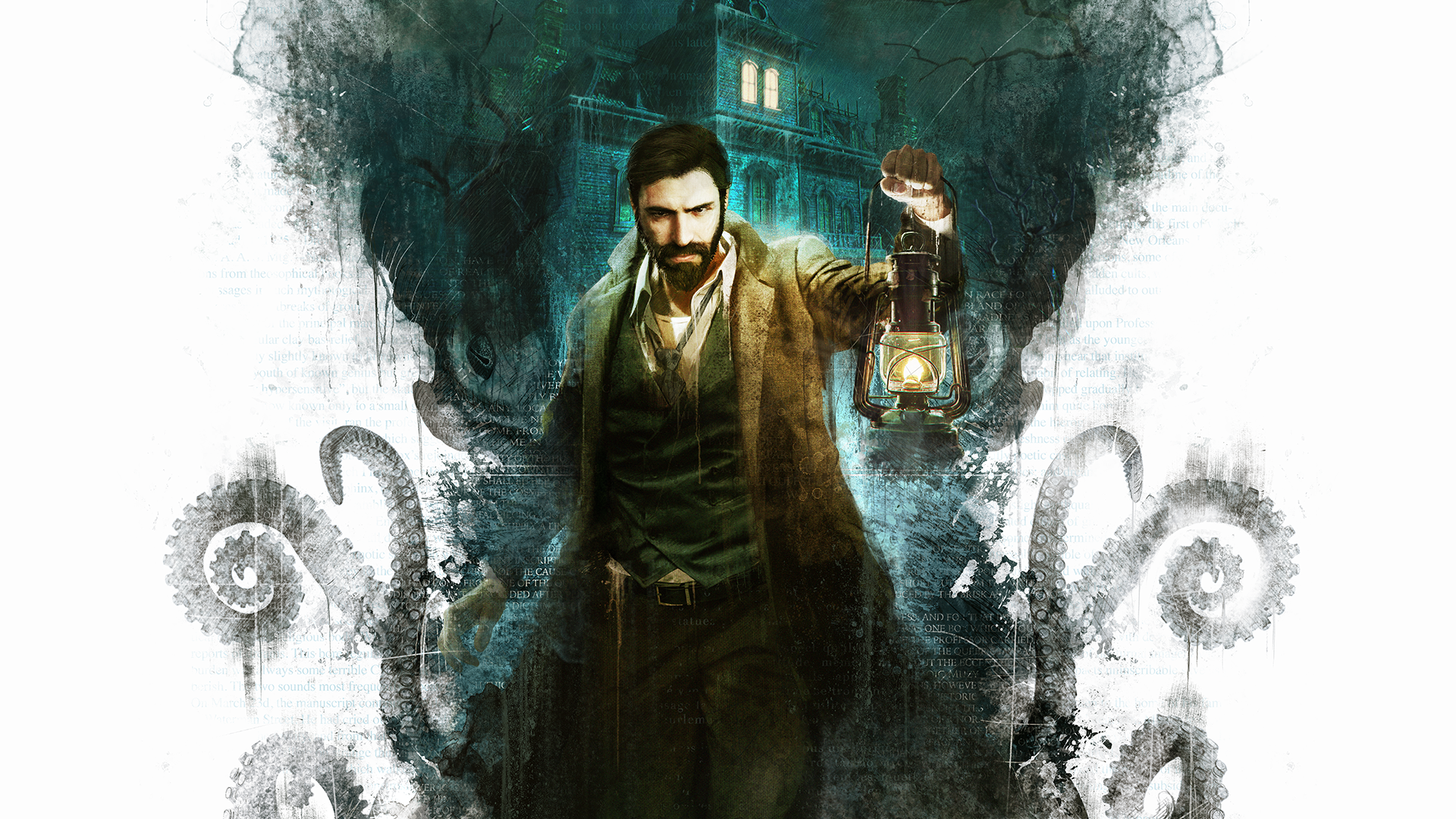
I can admit that Call of Cthulhu isn’t perfect. For one thing, after playing the first third of the game, I encountered a bug in the Xbox One version that irreversibly erased my five or six hours’ worth of progress up to that point and catapulted me back to the prologue, which obviously didn’t fill me with joy. And, on a personal note, I wasn’t thrilled to learn that there are some sneak-past-the-guards forced stealth sections; I know some people are fine with them, but they absolutely rate as my most loathed video game mechanic, since for reasons unknown they set off my anxiety really badly. I’m not saying that the developers should have designed their game specifically with my mental health in mind; on the other hand, I don’t know anyone who particularly likes these sections, let alone loves them, so their increasing ubiquity in one of my favourite genres is something that’s starting to annoy me.
But, setting those couple of relatively minor exceptions aside, Call of Cthulhu is pretty much everything I’d hoped it would be. Even though Frogwares don’t officially get any credit for their work on the game, you can feel its shared DNA with The Adventures of Sherlock Holmes series and Dracula: Origin (to say nothing of Frogwares’ suspiciously Cthulhu-y upcoming title, The Sinking City). Both the gloomily green-tinged environments of the unsubtly named Darkwater Island and the slightly larger-than-life characters you encounter there could almost have stepped out of a direct sequel to Sherlock Holmes: The Awakened, my favourite game in the aforementioned series, which pitted Holmes and Watson against a group of Cthulhu cultists, and could very much be seen as the spiritual predecessor to this game. The protagonist, Edward Pierce, is also a private detective, albeit he’s no haughty Victorian gentleman; more the grizzled proto-hardboiled type, complete with obligatory substance abuse issues stemming from Bad Memories™ of the Great War™. The investigative sections of the game - which include mechanics allowing for deployment of my beloved social stealth abilities, as well as the possibility of utterly and hilariously failing stat checks at same - are really the highlight of the piece. So much of what happens at the Hawkins Mansion in particular builds up a wonderfully eerie sense of tension: as your character methodically examines the crime scene, you, as the player, become increasingly aware that the ruined old house may not be as abandoned as it seems. For me, there’s so much enjoyable tension in those sections where you’re 90% sure that everything’s probably going to be fine in the short-term - creepy, but fine - but you can’t let go of that 10% chance that the game is about to throw something really freaky at you. This is the sort of thing I come to horror games for.
 |
| 5. We Happy Few |
“It’s not a lovely day for it! It’s a FUCKING TERRIBLE day for it!” - tertiary protagonist Ollie there, speaking on behalf of Britain in the year 2018.
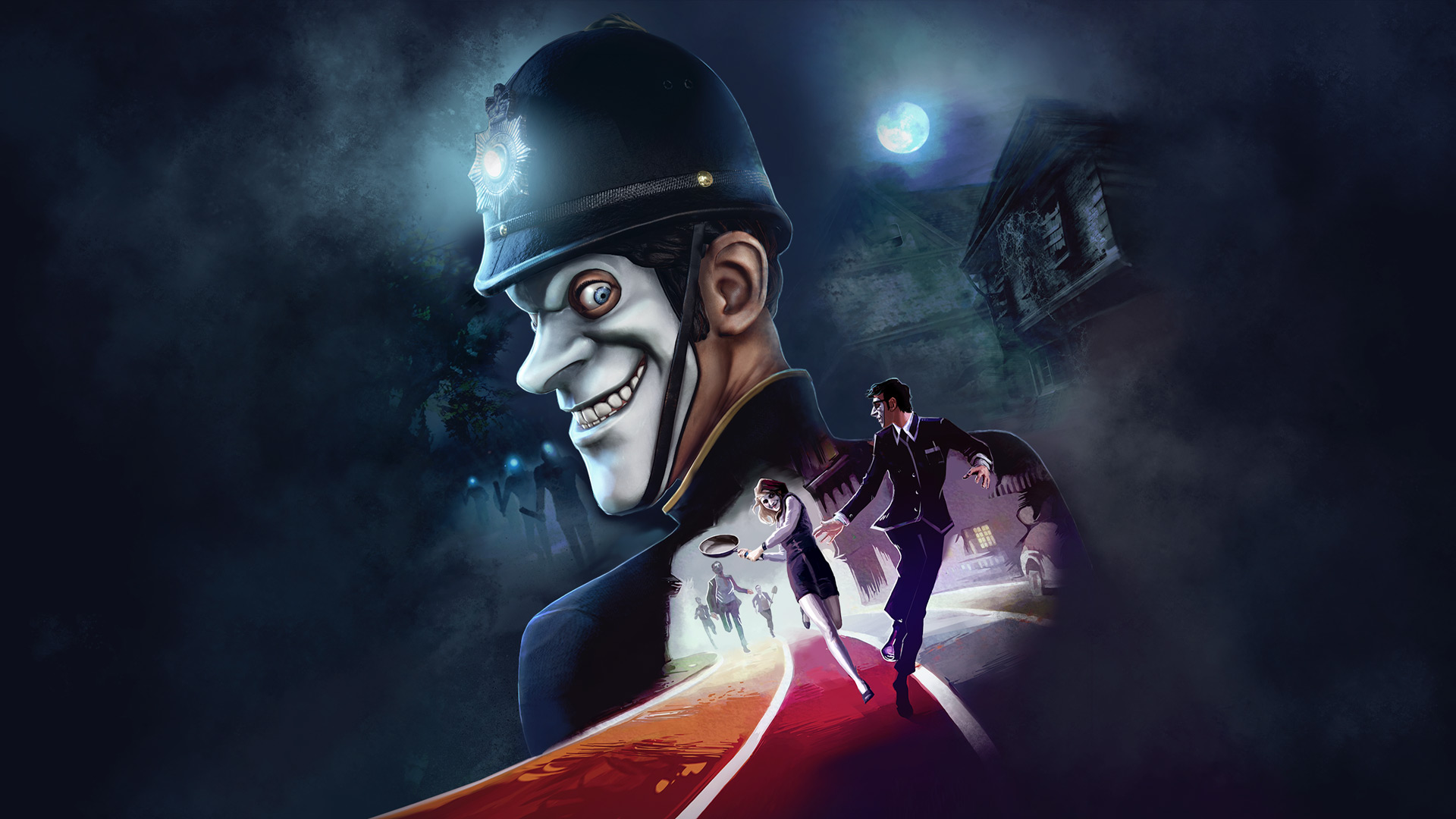
The first time I saw a trailer for We Happy Few I thought it could have been made with me as its target audience. Sinister dystopian setting, inspired by Orwell, Huxley, and Burgess? Check. Protagonist trio comprised of a likable cowardly lion, a level-headed female scientist, and a comedically blunt Glaswegian freedom-fighter? Check. Nerve-jangling original score? Check. Doctor Who easter eggs? Check! Early hype compared it to that evergreen favourite BioShock, and while that turned out to be more of an aesthetic similarity - both are inspired by 1960s retro-futurism, but We Happy Few is a roguelike survival game, as opposed to BioShock’s linear FPS with sci-fi/horror elements - by then I was invested in We Happy Few for its own sake.
Unfortunately the production of We Happy Few was a touch rocky, and it spent over two years in early access before it was finally released in August - by which point, many of the people who were really interested to begin with had played it in its one-third or two-thirds finished state, and moved on. I can’t blame them for this - if anything, it’s a failing of the concept behind early access programmes, which is one of the reasons I almost never touch something before it’s got a full release. It’s a shame that the game’s reception ended up underwhelming, though, because all the things I was excited for in the early concept ended up paying off in the full release; and, even though roguelike survival games aren’t always my go-to genre, I’m enjoying how the mechanics have been implemented in We Happy Few.
As I’d hoped, the environmental storytelling is on-point, which is always something I look for in a game that’s not primarily narrative-focused. In addition to pursuing my characters’ objectives I’m currently (it’s one of the bigger games I tackled in 2018, so I haven’t managed to finish it yet) trying to unravel a number of mysteries that are playing out through diary entries and contextual clues, perhaps the most chilling of which is trying to find out what, exactly, has happened to all the children of Wellington Wells, the idyllic-seeming English village of the game’s setting. Toys and baby furniture litter the world, faded and worn from exposure to the elements but new enough not to have rotted away entirely; yet no-one can remember ever meeting a child, and there have been a few hints that after the bombs dropped all the children were sent… away… somewhere. It’s spooky stuff, enough that I’m now honestly more afraid of seeing or hearing… something… when scavenging in abandoned houses than I am of coming under hostile attack. So yes, in spite of some worryingly action-heavy evidence to the contrary, it is that sort of game after all. Yippee.
Another one of my favourite things so far is the social stealth. Since forced physical stealth may be my all-time least favourite game mechanic, I appreciate options in this regard: the game permitting me to use a weapon is always nice (We Happy Few features an array of improvised ones); but I’m a lover not a fighter, so I’ll always take the opportunity to try to talk my way out of a situation if it’s presented. In We Happy Few, there are a number of ways you can pass undetected among enemy characters. Wellington Wells is divided into a number of districts with their own dress codes (translation: how shabby or smart your scavenged post-nuclear-war outfit needs to be to fit in with your immediate neighbours) and behavioural expectations (translation: how stoned off your tits on “joy” - the mood-enhancing, perception-filtering, population-controlling drug - you’ll need to be in order not to be outed as sober and therefore a hostile “downer”). You can go full-on confrontational if you want, I suppose - I’ve not tried it, something tells me it’s a bad idea to piss everyone off when you’re easily outnumbered by crazed nationalist fanatics on psychedelic drugs - but if you want to achieve your goal of escaping the village, you might want to try to play nice. It’s much harder to craft that all-important widget with four angry policemen kicking you in the head, after all. Fortunately in this regard, the “Wellies” are not usually too bright, and I’m equal parts proud and ashamed to admit that I’ve got a decent track record of nicking their precious resources when their backs are turned, which they never seem to twig is happening as long as they don’t actually catch you in the act. Add to this the need to eat, drink, sleep, and tend to your medical needs, and you’ve got something not entirely dissimilar to a crossover between The Sims and (classic 1960s sci-fi TV series) The Prisoner, with a touch of Fallout sprinkled in for good measure. Your enjoyment of this game may well depend on whether or not that sounds awesome to you: to me it sounds pretty damn cool, if perhaps a touch niche; and that’s certainly been my reaction to the game so far.
My last year in gaming may have been dominated by my introduction to the notoriously heart-wrenching Life is Strange franchise, but that didn’t mean there wasn’t time for another game to give me all the feels. A Way Out tackles both narrative-driven storytelling and co-operative gameplay in a whole new way, by the simple yet fairly unprecedented strategy of bringing the two together.
The first time I saw a trailer for We Happy Few I thought it could have been made with me as its target audience. Sinister dystopian setting, inspired by Orwell, Huxley, and Burgess? Check. Protagonist trio comprised of a likable cowardly lion, a level-headed female scientist, and a comedically blunt Glaswegian freedom-fighter? Check. Nerve-jangling original score? Check. Doctor Who easter eggs? Check! Early hype compared it to that evergreen favourite BioShock, and while that turned out to be more of an aesthetic similarity - both are inspired by 1960s retro-futurism, but We Happy Few is a roguelike survival game, as opposed to BioShock’s linear FPS with sci-fi/horror elements - by then I was invested in We Happy Few for its own sake.
Unfortunately the production of We Happy Few was a touch rocky, and it spent over two years in early access before it was finally released in August - by which point, many of the people who were really interested to begin with had played it in its one-third or two-thirds finished state, and moved on. I can’t blame them for this - if anything, it’s a failing of the concept behind early access programmes, which is one of the reasons I almost never touch something before it’s got a full release. It’s a shame that the game’s reception ended up underwhelming, though, because all the things I was excited for in the early concept ended up paying off in the full release; and, even though roguelike survival games aren’t always my go-to genre, I’m enjoying how the mechanics have been implemented in We Happy Few.
As I’d hoped, the environmental storytelling is on-point, which is always something I look for in a game that’s not primarily narrative-focused. In addition to pursuing my characters’ objectives I’m currently (it’s one of the bigger games I tackled in 2018, so I haven’t managed to finish it yet) trying to unravel a number of mysteries that are playing out through diary entries and contextual clues, perhaps the most chilling of which is trying to find out what, exactly, has happened to all the children of Wellington Wells, the idyllic-seeming English village of the game’s setting. Toys and baby furniture litter the world, faded and worn from exposure to the elements but new enough not to have rotted away entirely; yet no-one can remember ever meeting a child, and there have been a few hints that after the bombs dropped all the children were sent… away… somewhere. It’s spooky stuff, enough that I’m now honestly more afraid of seeing or hearing… something… when scavenging in abandoned houses than I am of coming under hostile attack. So yes, in spite of some worryingly action-heavy evidence to the contrary, it is that sort of game after all. Yippee.
Another one of my favourite things so far is the social stealth. Since forced physical stealth may be my all-time least favourite game mechanic, I appreciate options in this regard: the game permitting me to use a weapon is always nice (We Happy Few features an array of improvised ones); but I’m a lover not a fighter, so I’ll always take the opportunity to try to talk my way out of a situation if it’s presented. In We Happy Few, there are a number of ways you can pass undetected among enemy characters. Wellington Wells is divided into a number of districts with their own dress codes (translation: how shabby or smart your scavenged post-nuclear-war outfit needs to be to fit in with your immediate neighbours) and behavioural expectations (translation: how stoned off your tits on “joy” - the mood-enhancing, perception-filtering, population-controlling drug - you’ll need to be in order not to be outed as sober and therefore a hostile “downer”). You can go full-on confrontational if you want, I suppose - I’ve not tried it, something tells me it’s a bad idea to piss everyone off when you’re easily outnumbered by crazed nationalist fanatics on psychedelic drugs - but if you want to achieve your goal of escaping the village, you might want to try to play nice. It’s much harder to craft that all-important widget with four angry policemen kicking you in the head, after all. Fortunately in this regard, the “Wellies” are not usually too bright, and I’m equal parts proud and ashamed to admit that I’ve got a decent track record of nicking their precious resources when their backs are turned, which they never seem to twig is happening as long as they don’t actually catch you in the act. Add to this the need to eat, drink, sleep, and tend to your medical needs, and you’ve got something not entirely dissimilar to a crossover between The Sims and (classic 1960s sci-fi TV series) The Prisoner, with a touch of Fallout sprinkled in for good measure. Your enjoyment of this game may well depend on whether or not that sounds awesome to you: to me it sounds pretty damn cool, if perhaps a touch niche; and that’s certainly been my reaction to the game so far.
 |
| 4. A Way Out |
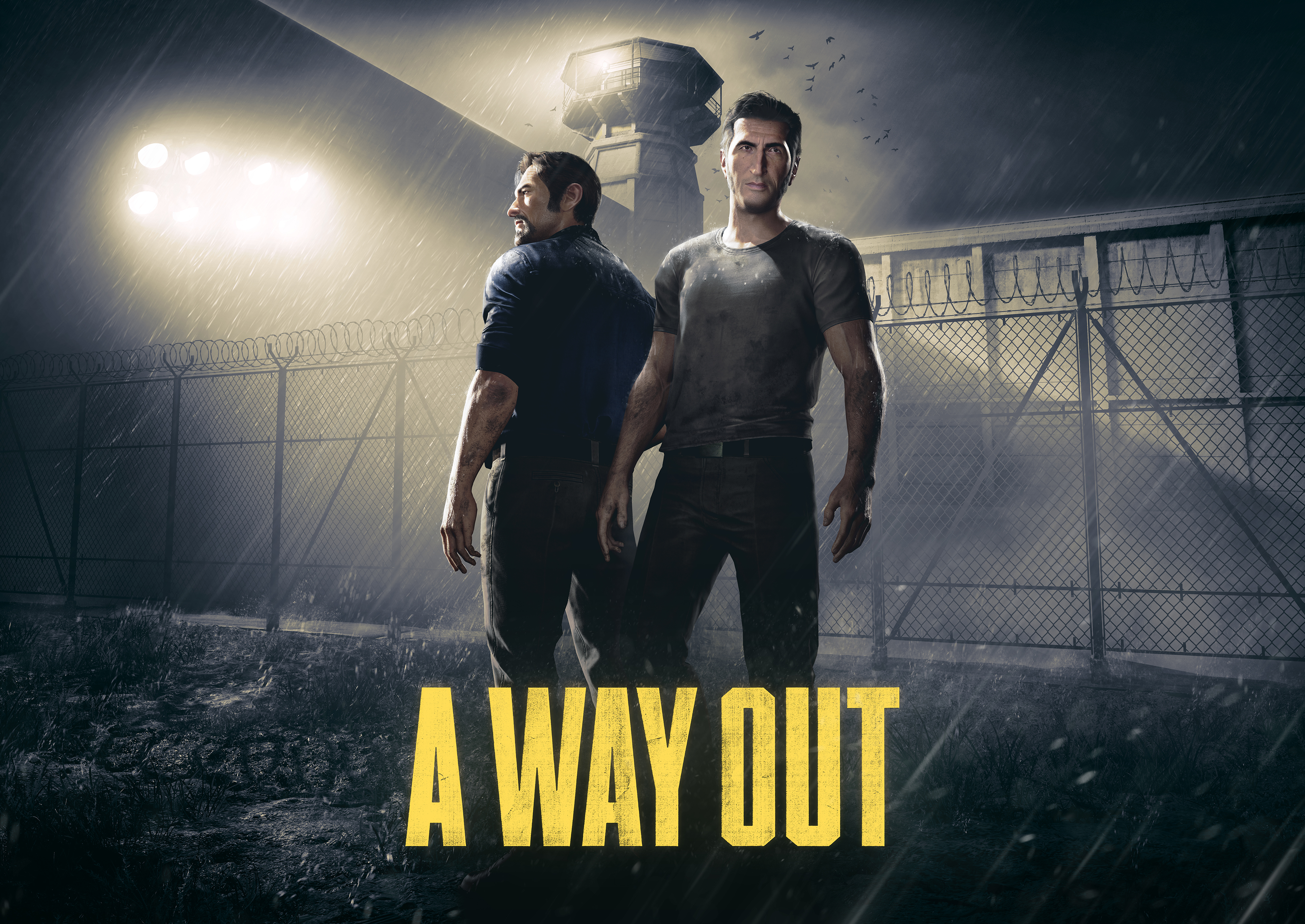
To play A Way Out, you’ll need a friend by your side - ideally in the room with you, though online co-op is a viable option if you need it, with the added sweetener that you’ll only need to own one copy of the game between you. I usually prefer to avoid spending my hard-earned down-time on games that don’t have a single player campaign, but A Way Out is about as far from an MMO battlefield as it’s possible to get: the two players guide their fully realised characters through a tightly written story (along the lines of Telltale’s The Walking Dead or similar), encountering puzzles that need to be solved with teamwork and decisions that need to be reached by compromise and consensus.
Visually, A Way Out is beautiful. Set somewhere in the middle of the United States in the year 1972, the whole game looks like a sepia-tinged photograph from that era, the palette saturated with autumnal colours that reinforce the story’s occasional sense of melancholy, and theme of things forever coming to an end. The players’ characters - Vincent, a white-collar money launderer, and Leo, a blue-collar bruiser from a crime syndicate - meet in the prison where they are both incarcerated and form a brief, odd friendship, bonding over their shared desire to escape their sentences and enact revenge on the mob boss who betrayed them both. As they bicker and barter their way through a plot heavily inspired by classic prison break movies - most notably Shawshank Redemption - you and your co-op partner will likely do the same; and as Vincent and Leo grow to trust each other more and more over time, their relationship will come to mirror your (presumably) pre-existing one with your partner more closely.
The story moves on at a pace, rarely revisiting the same mechanic twice, hurtling along from one cinematic set-piece to another. It can be hard to drag yourself away from A Way Out, and with its roughly eight-hour play-time, it’s not impossible to finish it in a single day. My partner and I completed the whole thing, Platinum trophy and all, over the long Easter weekend (a.k.a. in four days, for those unfamiliar with UK Bank Holidays); but I would contend that A Way Out is not without its replay value even after that. I may have platinumed the game as Vincent, but I’ve never played any of it as Leo; or seen the other ending; or tried it with a different co-op partner; or won at all the minigames; or engaged with every bystander NPC, nearly all of whom have a few amusing lines of dialogue and a low-stakes choice for you to help them with.
By making one of the first co-op-only interactive fiction games, the developers at Hazelight have expanded their gameworld significantly more than I think even they realise; as well as making that rare beast, a game with a completely original feel to it, even while all of the elements are individually familiar. I may be someone who feels quite sceptical when I hear an industry executive declare that co-op is the definitive future of gaming, but if games like A Way Out are going to be thrown into the mix, it’s not necessarily something I need to fear as a generally solitary lover of good stories and emotionally engaging characters.
No comments:
Post a Comment